Geopolitics and Fertilizers: Global Tensions and Implications for West Africa
Market News – Sector Analysis
The global fertilizer market is currently facing unprecedented pressures due to geopolitical tensions and major logistical disruptions. These developments directly affect supply and costs for West African stakeholders, who remain heavily dependent on imports
The Strait of Hormuz: A Strategic Bottleneck
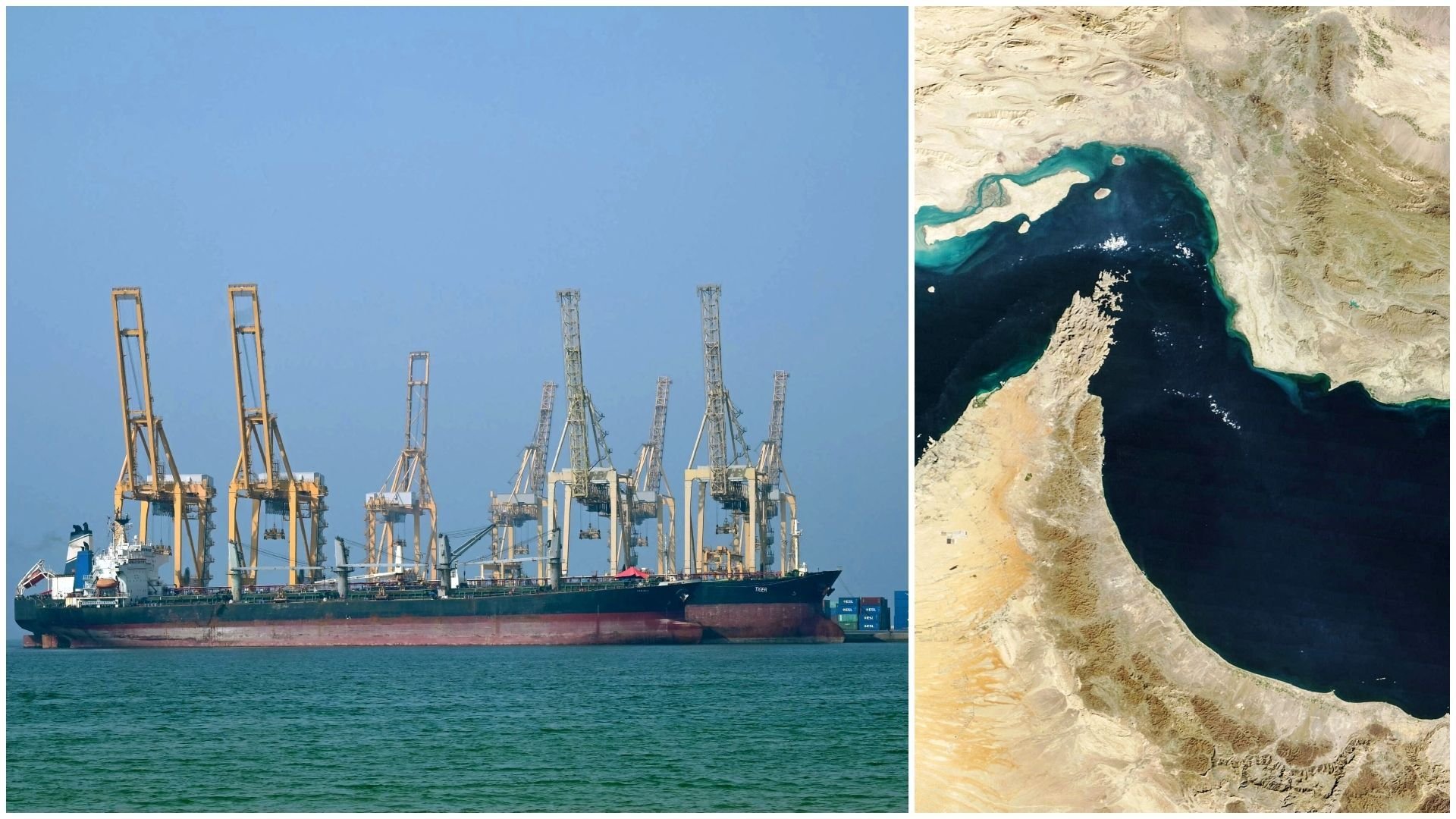
The Strait of Hormuz, through which nearly 20% of the world’s oil and gas trade passes, plays a strategic role in fertilizer production, particularly urea, a key component of NPK and DAP fertilizers. Since the start of U.S.-Israeli strikes against Iran, maritime flows have been disrupted: rerouting around the Cape of Good Hope, increased maritime fuel costs, higher insurance premiums, and longer lead times for imports.
According to Jeune Afrique, these disruptions have led to a 90% drop in traffic through the strait, causing significant increases in fertilizer transportation costs and delays for African importers. African ports such as Mombasa, Lagos, and Durban are struggling to handle additional stock, increasing the vulnerability of local supply chains.
Soaring International Prices
Rising natural gas costs—which account for up to 70% of the production cost for certain nitrogen-based fertilizers—combined with logistical disruptions, have led to significant price increases:
- Urea: up USD 200–300/t FOB, depending on origin and logistics
- West Africa (CFR): approximately USD 820/t
This volatility makes planning and supply management particularly challenging for importers and local producers.
Risks for African Producers
Several East and West African countries rely heavily on fertilizers imported from the Persian Gulf, including Sudan, Tanzania, Kenya, and Mozambique. Disrupted flows could compromise the availability of inputs, threatening agricultural productivity and food security.
In this context, “just-in-time” inventory management has become inadequate. As one industry member notes:
"Behind every crisis, there is always an opportunity. It is crucial to secure sufficient raw materials now, both for businesses and farmers."
A Proactive Approach Recommended by WAFA
In response to these tensions, the West African Fertilizer Association (WAFA) encourages stakeholders to adopt a proactive strategy, focusing on:
- Anticipating market developments
- Adapting procurement and stock management practices
- Strengthening supply chain resilience and continuity
As WAFA’s official statement highlights:
"Current dynamics call for a review of procurement and stock management methods, in an environment where traditional models may be increasingly vulnerable. Such an approach is essential to ensure continuity of fertilizer supply in West Africa."
The Association also emphasizes the importance of treating all farms equally under future national subsidy policies, regardless of size.
Finding Opportunity in Crisis
While these tensions pose risks, they also present strategic opportunities:
- Secure sufficient stock for the upcoming season
- Reassess logistical and distribution models
- Maintain competitiveness while ensuring stable supply for farmers
WAFA invites its members to view these events as a call to strengthen operational and strategic resilience.
To stay informed about developments in the fertilizer market and receive strategic recommendations from WAFA, read the official statement and subscribe to our newsletter. You will receive up-to-date analyses, practical guidance, and alerts on opportunities and risks in the agricultural sector across West Africa directly in your inbox.