Ghana: Towards Free Fertilizer Distribution in 2026 – What Lessons for West Africa?
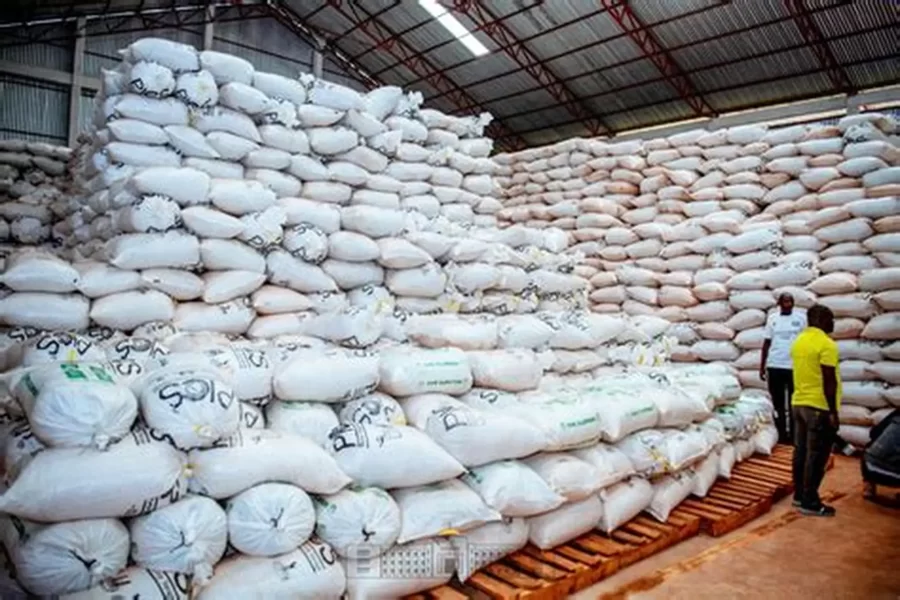
The Government of Ghana has announced a significant shift in its agricultural policy for the 2026 cropping season, moving from a subsidized fertilizer system to a fully free distribution model for farmers.
This decision, announced by President John Dramani Mahama on March 21, reflects a strategic ambition to improve farmers’ access to fertilizers and stimulate agricultural productivity in a context of global market uncertainty.
A Turning Point in Ghana’s Agricultural Policy
Until recently, Ghana operated a partial subsidy system under the Planting for Food and Jobs program. The new policy eliminates farmers’ financial contribution entirely, aiming to accelerate fertilizer adoption and expand cultivated areas.
Fertilizer use in Ghana, estimated at approximately 28.9 kg per hectare in 2023 according to the Food and Agriculture Organization, remains below the target of 50 kg/ha set by the Abuja Declaration, but above the Sub-Saharan African average.
A Policy Shift Amid Global Market Disruptions
This reform comes at a time of heightened volatility in global fertilizer markets. Geopolitical tensions affecting key maritime corridors, particularly the Strait of Hormuz, are contributing to increased logistics costs, supply uncertainties, and price fluctuations.
Recent analyses by the International Fertilizer Development Center highlight rising fertilizer prices especially for urea and tightening supply conditions, particularly affecting import-dependent regions such as West Africa.
For Ghana, which relies heavily on imported fertilizers, these dynamics translate into increased procurement costs and heightened fiscal pressure, especially under a fully state-funded distribution model.
Assessing the Implications of Free Fertilizer Distribution
The introduction of free fertilizer distribution raises several important considerations for the structure and sustainability of the sector:
1. Short-term access vs. long-term dependency
While free distribution may significantly improve immediate access for farmers, it risks creating long-term dependency on public support mechanisms.
2. Fiscal sustainability under pressure
In a context of rising global prices, full public financing of fertilizer supply may place significant strain on national budgets, raising questions about the long-term viability of such programs.
3. Private sector participation and market structure
An increased reliance on public distribution systems may reduce the role of private sector actors in procurement and distribution. If not carefully designed, this could affect market efficiency, investment incentives, and the overall resilience of the supply chain.
Towards More Balanced and Resilient Approaches
Ghana’s policy shift highlights the need for more balanced and adaptive strategies across the region. Alternative or complementary approaches may include:
- Targeted and time-bound subsidies to support vulnerable farmers
- Strengthening farmer organizations and cooperatives
- Supporting productivity through complementary measures (e.g., extension services, insurance schemes)
- Investing in infrastructure and market systems to improve long-term efficiency
Conclusion
Ghana’s move toward free fertilizer distribution represents a bold policy shift with the potential to boost agricultural productivity in the short term. However, its long-term success will depend on its ability to balance immediate access with market sustainability.
For West Africa, this experience offers critical insights into the need for policies that both support farmers and preserve the role of private sector actors, ensuring a resilient, efficient, and sustainable fertilizer sector.